► NetSuite: A Complete Guide for Developer Tools Professionals
Where consolidation matters most in the modern ERP wars NetSuite pitches an all-in-one cloud ERP with AI-driven accounting, multi-entity consolidation, an...
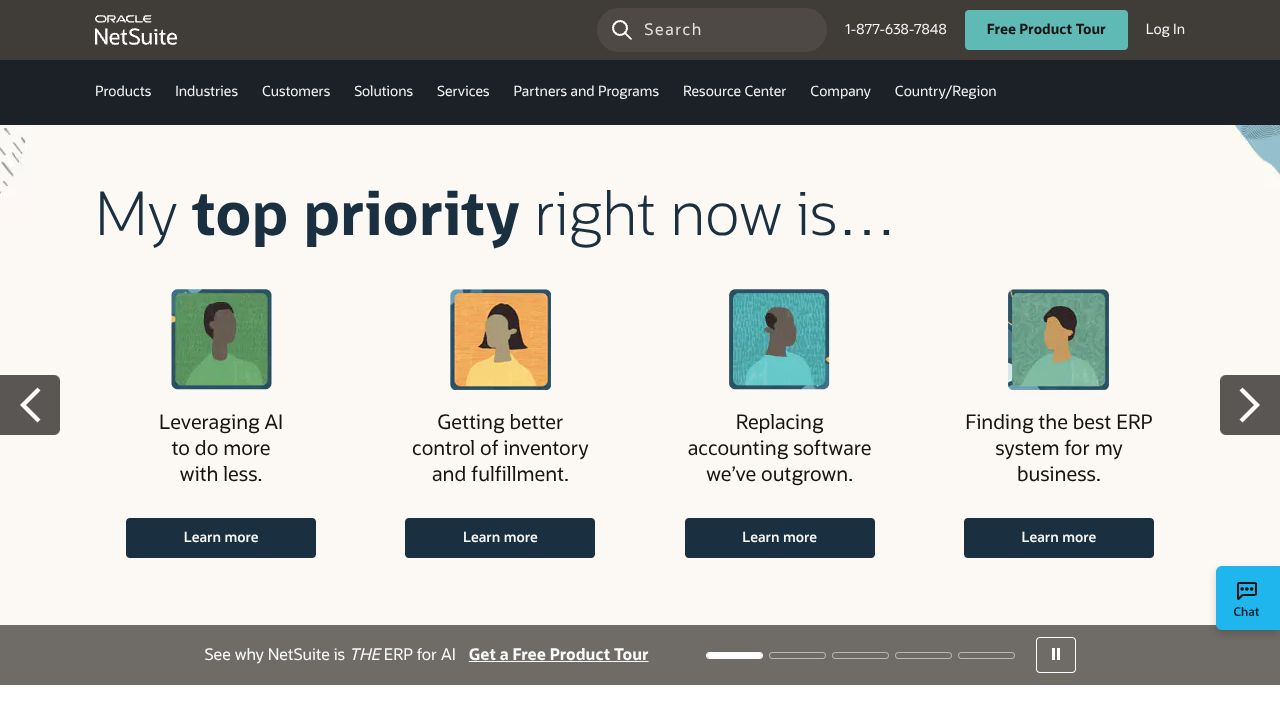
[ Device Preview - NetSuite ]
════════════════ DEVICE SPECIFICATION ════════════════
ERP fragmentation is killing developer velocity. If your finance, inventory, CRM, and ops live in separate silos, every feature request becomes a cross-team integration project—and developers become integration plumbers. In my 15 years working around ERP selections, NetSuite has become the default choice when companies decide to stop duct-taping systems and want a single, extensible cloud stack that scales across subsidiaries and geographies.
Where consolidation matters most in the modern ERP wars
NetSuite pitches an all-in-one cloud ERP with AI-driven accounting, multi-entity consolidation, and integrated inventory/CRM/SCM. That combination is why engineering and platform teams at mid-market and enterprise orgs consider it first when they need a single source of truth and fewer brittle integrations.
Quick Comparison Table
| Feature | NetSuite | Sage Intacct | Microsoft Dynamics 365 Finance |
|---|---|---|---|
| Pricing | Custom; baseline often cited ~$999/mo + $99/user and $50K+ implementation | Subscription; modular, often mid-market pricing—implementation varies | Modular licensing; enterprise-grade licensing can be expensive and complex |
| Ease of Use | Rich UI with enterprise workflows; steep initial configuration | Focused on finance teams; cleaner accounting UX for core GL/AP/AR | Familiar Microsoft ecosystem UX; can be heavy to configure |
| Developer Tools Features | SuiteCloud platform: SuiteScript, SuiteTalk, REST APIs, customization & scripting | APIs and platform extensibility, but less full-stack ERP customization | Extensive extensibility via Power Platform, Azure, and ISV ecosystem |
| Integration Options | Native inventory/CRM/OMS plus many connectors and SuiteConnectors | Best-of-breed integrations; often paired with other ERP-adjacent systems | Deep Microsoft stack integrations (Azure, Power BI, Office) and large ISV network |
Where NetSuite Wins
Unified multi-entity accounting without hand-jammed consolidation. From what I've seen, NetSuite’s strength is taking dozens of subsidiaries and making intercompany, currency, and compliance work predictable—something Sage Intacct and many standalone accounting tools struggle to do at scale.
Developer-friendly, ERP-first platform. NetSuite’s SuiteCloud (scripting, REST/SOAP APIs, deployment tooling) lets engineering teams build apps, automate close processes, or embed custom workflows without constantly re-architecting integrations. Compared to Dynamics, you trade some Azure power for a purpose-built ERP extensibility layer that’s simpler to reason about for accounting-heavy workflows.
End-to-end operational data model. Inventory, order management, CRM and finance live in one schema. That reduces eventual consistency and ETL overhead—teams can ship features faster because they don’t need middle-tier reconciliation jobs every time a customer order touches finance.
Where Competitors Have an Edge
Sage Intacct — finance-first simplicity and faster time-to-value. If you’re a finance-led org that needs deep core accounting without heavy ops/inventory complexity, Sage Intacct can be quicker to implement and easier for accountants to adopt. See product details at Sage’s site for feature specifics: https://www.sage.com/en-us/products/sage-intacct/
Microsoft Dynamics 365 Finance — ecosystem and enterprise scale for Microsoft shops. If your platform is already Azure/Power Platform-centric, Dynamics gives you enterprise governance, identity, and analytics alignment that can lower integration friction. Microsoft’s strong ISV ecosystem is a major plus: https://dynamics.microsoft.com/en-us/finance/overview/
What others won’t tell you: winners on paper don’t equal velocity in practice. Dynamics can require more architectural decisions upfront; Sage Intacct can force you to build surrounding systems for inventory or global ops if those needs grow.
Best Use Cases for Developer Tools
Choose NetSuite if:
- ►You need unified financials + inventory + CRM across many entities.
- ►Your engineering org wants embedded customization, ERP-native APIs, and fewer cross-system integrations.
- ►You require global compliance, multi-currency, and real-time consolidated reporting.
Choose Sage Intacct if:
- ►You’re primarily solving accounting complexities and want a faster, finance-centric deployment.
- ►Your operational footprint is simpler or you’re willing to bolt on best-of-breed ops tools.
Choose Dynamics 365 Finance if:
- ►You’re deeply invested in Microsoft cloud tooling and want native Azure/Power Platform alignment.
- ►You need enterprise governance and scale integrated with Office/Power BI/AD.
The Verdict
NetSuite is my pick when your objective is to stop fighting data silos and accelerate developer velocity across finance and ops. For mid-to-large enterprises running complex, multi-entity businesses, NetSuite’s integrated model and developer-focused platform reduce long-term technical debt—even if initial cost and implementation are higher. If your priority is pure accounting simplicity or Microsoft ecosystem alignment, consider Sage Intacct or Dynamics 365 respectively. In short: pick the platform that minimizes cross-team integrations for your top business flows—your engineering roadmap will thank you.